Merhaba!

Welcome! Our site features the work of our blog abroad correspondents and has everything you need to know about our study abroad programs!

"Volubilis: Where Rome Meets the Maghreb" by Anthony Darin

"Volubilis: Where Rome Meets the Maghreb" by Anthony Darin

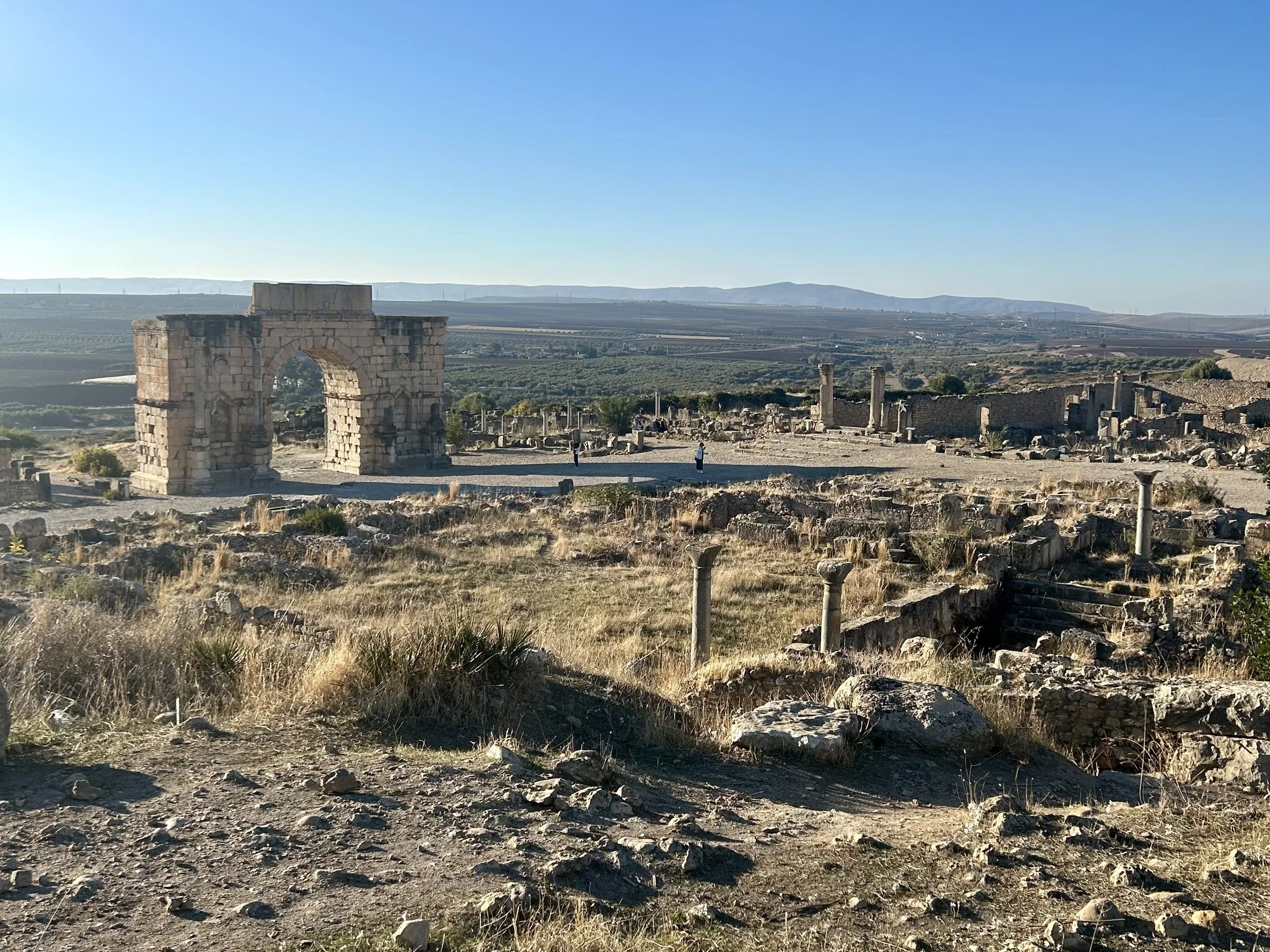
First the capital of the Kingdom of Mauretania, then an outpost for the Roman Empire, Volubilis is a testament to the millennia of history contained within Morocco’s borders. The ruined city, known as Oualili (وليلي) in Arabic, was founded in the 3rd century BCE and was inhabited up until the 11th century CE by even more ancient civilizations such as the Phoenicians, Carthaginians, and Christian Amazigh. Just a few miles outside of Moulay Idriss Zerhoun (nearby Meknes and Fes), Volubilis is a quick but must-visit site for anyone who is interested in history, or just wants to marvel at the architecture amid the mountainous landscape.

Basilica

One of the most striking buildings of the ruins is the basilica which served as the judicial and administrative heart of the city. Built between 193 and 235 CE, the basilica functioned as a courthouse and a place for magistrates to conduct official business before eventually being repurposed into a Christian church. Photo credit: Darin, 2025.

Decumanus Maximus

If the basilica is the heart of the city, the Decumanus Maximus is the vein that runs through it. This formerly paved main street divides the Roman-era portion of the city with the Tingis Gate serving as an entrance at its north-eastern end. Photo credit: Darin, 2025.

Arch of Caracalla

At the other end of the Decumanus Maximus is the Arch of Caracalla. Built around 217 CE in honor of the Roman Emperor Caracalla, the arch looks out over the surrounding landscape offering beautiful views during sunset. Photo credit: Darin, 2025.

Cobra

The cobra heads that decorate these Roman pillars are a testament to the architectural ingenuity of the ancient civilizations that once inhabited Volubilis. Photo credit: Darin, 2025.

Mosaics

Numerous mosaics decorate the floors of the ancient buildings. This one in particular depicts the 12 labors of Hercules. Back during the Roman era, the mosaic would be surrounded with food and other offerings for the gods. Photo credit: Darin, 2025.

Sunbathing

Many buildings had open-roof courtyards at their center, allowing residents and visitors to sunbathe in small seating areas pictured here. Photo credit: Darin, 2025.

Olive Oil

Here, olives are crushed into a paste to make olive oil, and the oil would flow through the stone groves into basins for collection. The olive oil could be used for cooking, to provide warmth (via burning), or as oil for massages. Photo credit: Darin, 2025.

Moulay Idriss Zerhoun

As you walk through Volubilis, the town of Moulay Idriss Zerhoun is visible as a beacon in the distance. Known as the site of the tomb of Idriss I (the man who brought Islam to Morocco), this town is considered the holiest in Morocco. It is an important pilgrimage destination, with thousands visiting for the annual Moussem festival in August. Photo credit: Darin, 2025.

Anthony Darin is a student at American University and studied abroad in the Fall 2025 on Amideast’s Area & Arabic Language Studies program.
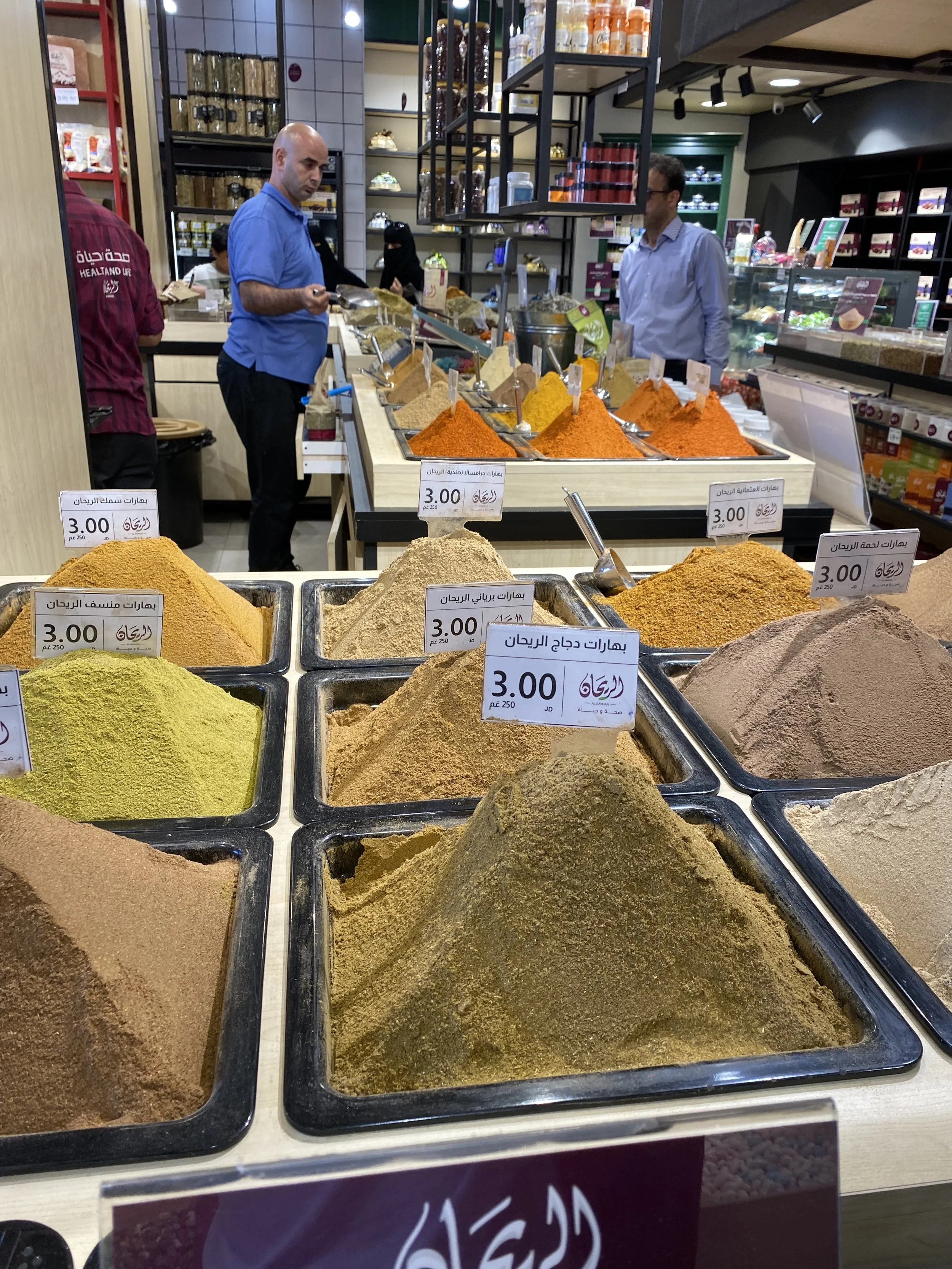
"To bargain, or not to bargain? Haggling etiquette and expectations in Jordan" by Charlie Perricelli

"To bargain, or not to bargain? Haggling etiquette and expectations in Jordan" by Charlie Perricelli